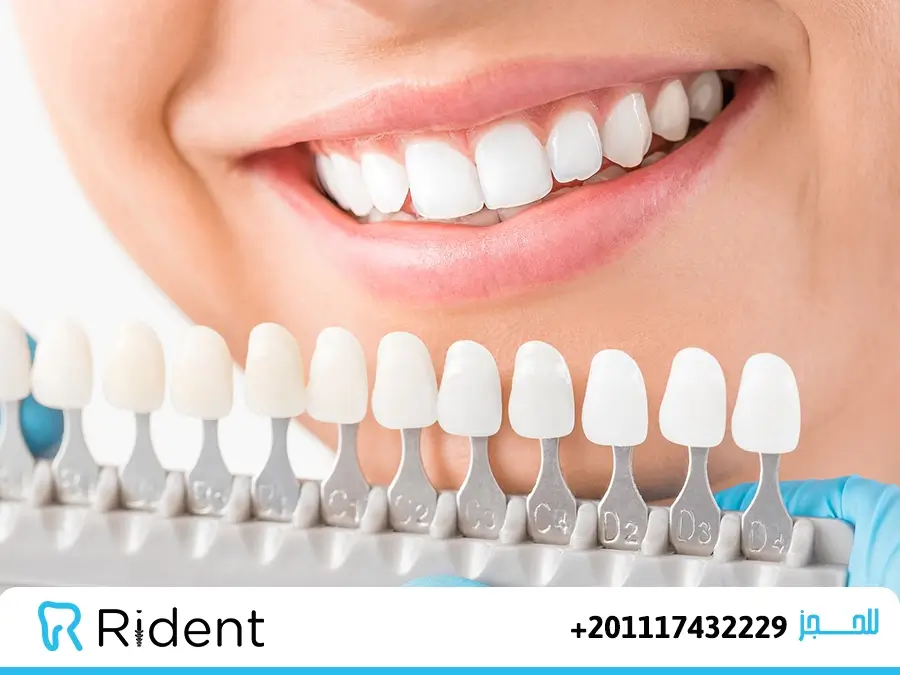
Dental Crown its disadvantages and advantages
The dental crown is one of the most essential fixtures in dental treatment. The dental crown is a composition whose color is similar to the color of the teeth, made of materials that can withstand the force of chewing and pressure on it. It is designed to cover the molar tooth, the original tooth, or the remaining part of it to protect it so that it performs the role that the tooth performs completely. Dental crowns, like any other medical procedure, have many significant benefits and advantages but are not entirely devoid of drawbacks.
Types of Dental Crown
The types of dental fez differ depending on the material from which the fez is made initially, and the most famous of them are the following:
Metal Crown
It is characterized by a high degree of hardness, so installing it on the back molars is preferable to withstand the pressure of chewing food. It is manufactured from copper, gold, silver, and nickel.
Resin Crown
Its low price distinguishes it from other types of dental fez, but it is less intense than metal fez and does not last long.
Porcelain Crown
This type is characterized by its aesthetic appearance and high durability. It does not cause sensitivity to the teeth. It is made entirely of porcelain, and in some cases, it is a metal crown covered with porcelain.
Zircon Crown
Zirconium crowns are distinguished by their combination of hardness and shape. Therefore, their price is a little high, but it is not preferable to install them on the front teeth as they are less transparent than porcelain crowns.
Emax Crown
It is the most beautiful type of dental fez and is characterized by a high degree of stability. It also mimics natural teeth, so it is preferable to use it in fillings on the front teeth.
Cases that require the installation of dental crowns
One of the most critical and common cases that need to have dental crowns installed are people who suffer from the following dental problems:
- After tooth root treatment (nerve filling)
- After dental implant surgery
- Cosmetic teeth for cases affected by yellowing and pigmentation
- Erosion, fractures, or cracks of teeth
Features of Dental Crown
- Dental crowns are used to restore fractures and cracks in teeth.
- It is repairing fractures that occur due to accidents.
- Improving the appearance of teeth by improving the shape or color of teeth.
- A dental crown covers dental implants.
- It works to reduce the gaps between the teeth.
- It helps the damaged tooth remain after treatment for as long as possible.
- It is placed over the teeth after they are treated with a nerve filling to preserve them.
Disadvantages of Dental Crown
Despite the advantages of the dental fez, it is not without disadvantages. Some defects may appear with the installation of dental crowns, and the most critical defects of dental crowns are:
- A dental crown may cause tooth sensitivity.
- The unnatural appearance of the metal cowl.
- Some discomfort due to not being used to it.
Preventing Dental Crown Defects
The best way to prevent dental crown defects due to an error or poor quality of installation is to choose the doctor and center very carefully. An experienced and competent doctor is the best thing, so his instructions must be followed and not neglected. At Rident Dental Centers, special attention is paid to dental implant procedures, and all the necessary advice is given to patients to preserve the life of the formula for the most extended possible period. Prompt intervention is also provided to solve any problems, if any.
The most important tips after installing a Dental Crown
- You should eat soft, easy-to-chew foods to avoid putting pressure on them in the days following the procedure.
- Pay attention to oral and dental hygiene by brushing, toothpaste, and flossing in the long term.
- Do not eat sticky and hard foods such as jelly or hard candy.
- Do not open metal cans or bottles that put much pressure on the teeth.