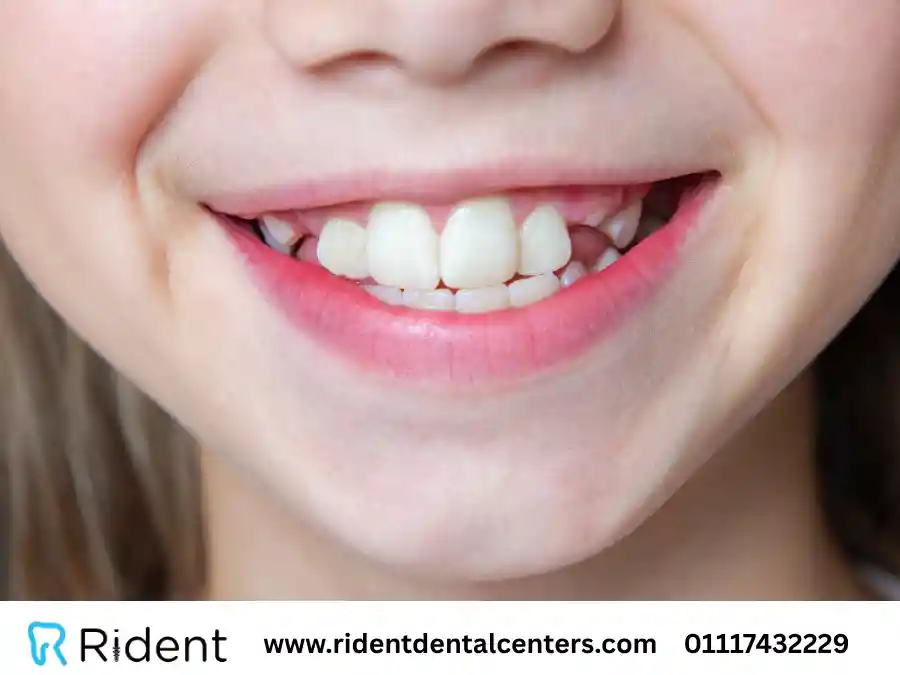
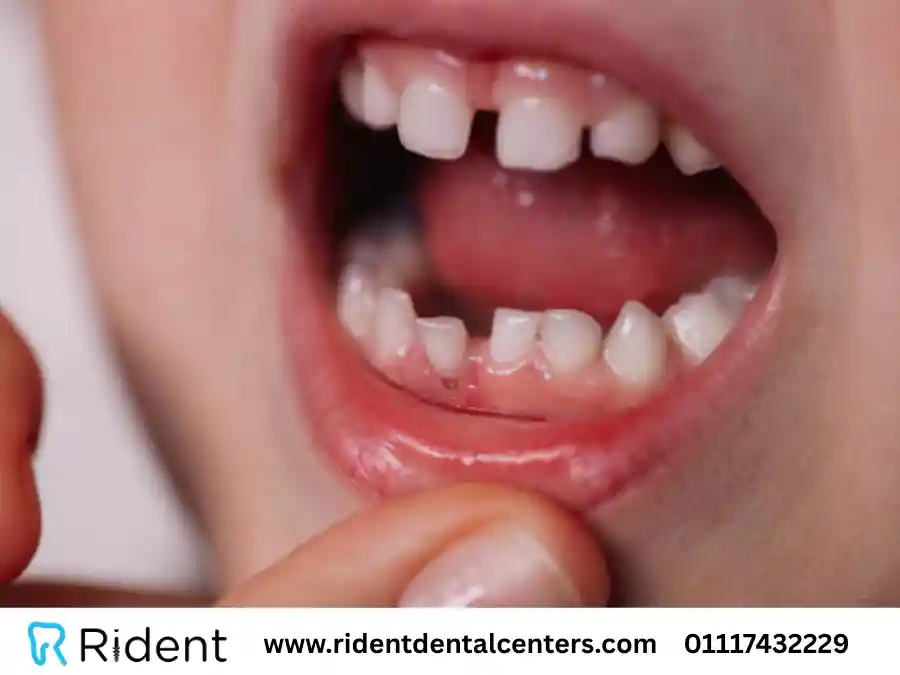
Gingivitis Symptoms in Children
Gingivitis is a common problem that affects both children and adults, and it can significantly impact oral and dental health if not addressed properly. Many children suffer from gum inflammation without their parents noticing, making a basic understanding of its symptoms and causes essential to maintaining a child’s oral health. In this article, we’ll explore the symptoms and causes of gingivitis in children and offer practical tips on how to effectively manage and prevent it from worsening.
Gingivitis in Children
Gingivitis is a widespread condition among children, from the teething stage to adolescence. Here are some key points to know about this condition:
Gingivitis causes the gum tissues to swell and turn red.
There are two main causes of gingivitis in children:
- The accumulation of a sticky layer on the surface of the gums and teeth, called "plaque," which contains bacteria that secrete harmful toxins.
- Gum inflammation occurs during the teething phase as permanent teeth emerge.
If left untreated, this condition can lead to periodontitis, resulting in the loosening and eventual loss of teeth.
Now, let’s explore the most common symptoms of gingivitis that may appear in your child.
Symptoms of Gingivitis in Children
The signs of gingivitis in children are similar to those in adults. You should pay close attention to your child’s oral health and visit a dentist promptly before the condition worsens. Common symptoms include:
- Gum swelling and puffiness
- Dark red gums
- Bad breath
- Gum bleeding and pain during brushing
- Gum recession exposes the roots of the teeth
- Loosened or wobbly teeth
Note: Some symptoms of gingivitis may not be easily noticeable in the early stages. This is why it’s essential to schedule regular dental check-ups and monitor your child’s oral health and any complaints of pain.
Diagnosing Gingivitis in Children
The dentist diagnoses the condition based on the presence of the symptoms mentioned above, such as red or painful gums or visible plaque buildup. In some cases, the dentist may request X-rays and examine the periodontal tissue to ensure its health.
Treatment and Prevention of Gingivitis in Children
As mentioned earlier, visiting the dentist as soon as any signs of gingivitis appear in your child helps make the treatment easier and more effective. The dentist may prescribe appropriate antibiotics or medications based on the child’s age, alongside professional dental cleaning sessions to remove plaque (depending on your child’s age and cooperation).
Here are the most important prevention tips:
- Maintain your child’s oral hygiene and teach them proper brushing techniques.
- Use a soft-bristled toothbrush suitable for your child to avoid gum bleeding.
- If your child is under 2 years old, avoid using toothpaste. It’s enough to wipe the teeth gently with a clean, damp cloth after feeding.
- Ensure regular visits to a pediatric dentist for routine check-ups.
- Reduce your child’s intake of sweets and fizzy drinks, which can harm their teeth.
- Increase the amount of fruits and vegetables in your child’s diet and ensure a balanced intake of essential nutrients.
Why Choose Rident Dental Clinics?
Rident Dental Center offers high-quality dental care under the supervision of top dentists in Egypt, with a dedicated team of experienced pediatric dentists. We strictly follow sterilization protocols and uphold the highest local and international quality standards to safeguard our patients’ health.
In Conclusion
We remind all parents of the importance of their child’s smile and oral health. If any signs of gingivitis appear, act promptly. Encourage healthy oral habits and schedule regular dental visits to prevent potential issues and ensure a bright dental future for your child.
Frequently Asked Questions
What are the symptoms of gingivitis in children?
Symptoms include gum redness, bad breath, quick bleeding, and pain when eating or drinking hot or sour items.
Does gingivitis cause fever in children?
Yes, fever and excessive drooling may appear in some cases of gingivitis in children.