Teeth Whitening Shades – Your Guide to Understanding Teeth Whitening Levels
In a world increasingly focused on external appearance and attractiveness, a bright and appealing smile has become essential to enhancing natural beauty and boosting self-confidence. In this age where “selfies” dominate social media, many people seek to achieve whiter, brighter teeth using the fastest and most effective methods available. This is where teeth whitening comes in, whether performed at a dental clinic or using at-home whitening methods.
But have you ever wondered how the degree of whitening is determined? Have you heard of what’s known as a "shade guide"? In this article, we will explore this guide and its role in the teeth whitening process, review different whitening methods, and explain how to choose the most suitable whitening shade for your teeth. Let’s dive in.
Teeth Whitening Shades
Many people believe that the ideal shade is a pure, brilliant white—but this is a misconception. Overly white teeth may appear unnatural.
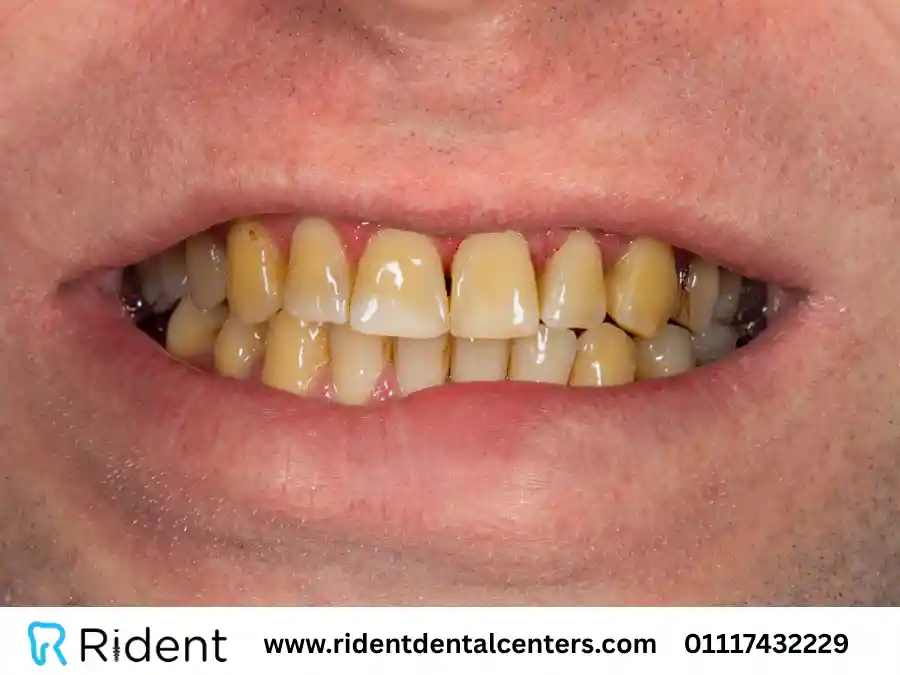
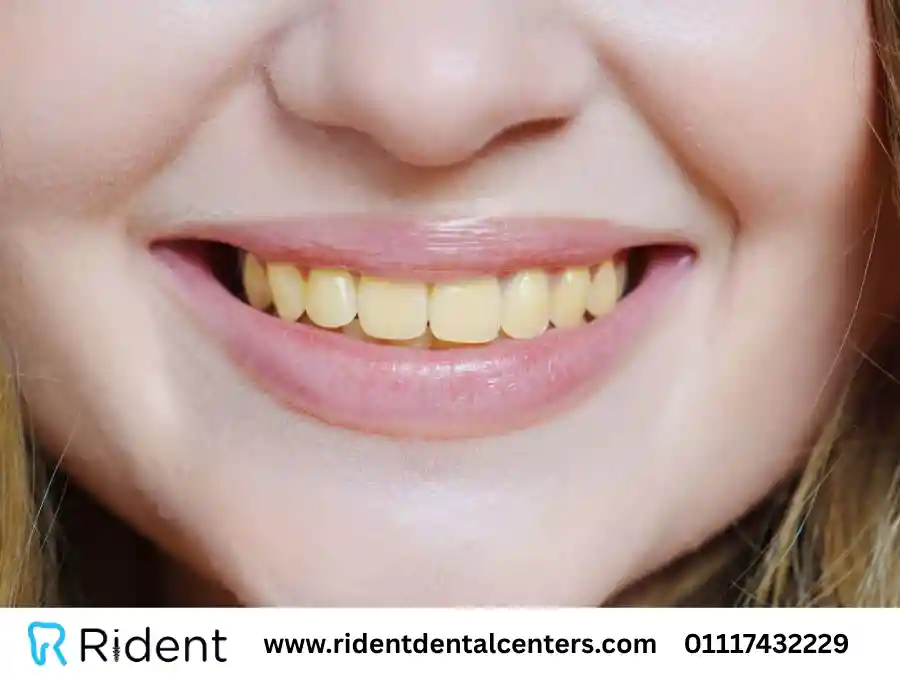
The natural tooth color is slightly off-white with a hint of yellow. Selecting the right shade during the whitening process depends on each person’s natural tooth structure and skin tone.
Teeth consist of:
- Enamel: the outer layer, which is slightly translucent and darker.
- Dentin: the inner layer, which has a yellow or light gray tint.
This is why molars and canines often differ in shade from front teeth. Moreover, women's teeth are typically whiter than men's due to having smaller teeth and a thinner dentin layer.
In addition, dentists use what’s called a “shade guide” to identify the degree of whiteness, from the darkest shades (brownish-yellow) to the lightest. To achieve the ideal tooth shade, it is always recommended to visit a qualified dentist
Factors to Consider Before Whitening
Before undergoing teeth whitening—whether professionally or at home—and before choosing your desired shade, several factors should be taken into account, such as:
- Current staining: If your teeth have dark brown or stubborn stains, you may need to remove them with special treatments before whitening.
- Crowns and fillings: These dental restorations do not respond to whitening and remain unchanged.
- Whiteness of the eyes: Yes, the whiteness of your eyes is considered—a natural rule is that your teeth shouldn’t be whiter than the whites of your eyes.
What Are the Different Teeth Whitening Methods?
There are various ways to whiten teeth. The most popular methods include:
1. Professional Whitening at the Dentist’s Office
- Laser Whitening: One of the most common and effective procedures, capable of lightening up to 8 shades in just 15–20 minutes.
- Zoom Whitening Device: Another popular method with similar results to laser, but it takes longer (up to an hour) and may cause temporary tooth sensitivity.
- Chemical Whitening: A more affordable option, offering up to 3 shades of lightening. However, it can increase tooth sensitivity.
2. At-Home Whitening Methods
These don’t offer the same results as in-office treatments, but are useful for mild improvements:
- Whitening strips
- At-home whitening trays
- Whitening toothpaste
Tips to Maintain Whiter Teeth
Teeth can gradually return to their pre-whitening color, depending on your lifestyle and dietary habits. Here are some tips from Rident Dental Center experts to maintain whitening results:
- Brush your teeth daily after meals.
- Use dental floss to clean between teeth where the brush can’t reach.
- Limit foods and drinks that stain teeth, or at least reduce consumption.
- Avoid smoking.
In Conclusion
Understanding teeth whitening shades is essential in improving your smile and boosting self-confidence. Knowing which shade suits your face and natural teeth can greatly affect the outcome of your whitening treatment.
Using a shade guide and consulting a professional dentist will help you find the most appropriate shade that complements your skin tone and facial features.
Whether you choose in-office whitening or at-home treatments, the ultimate goal is a radiant smile that reflects your confidence and enhances your appearance. Remember, proper oral hygiene and regular care play a major role in keeping your teeth white and your smile bright for longer.