The Difference Between Clear and Metal Retainers — Which Should You Choose After Braces?
Once orthodontic treatment ends, dentists always recommend wearing a retainer to preserve the results achieved with braces. There are different types of retainers, classified by several factors — one of the most common being the material used, such as metal retainers or clear plastic retainers.
What’s the difference between clear and metal retainers?
This is the core of our discussion in this article. We’ll compare types of retainers based on ease of use, advantages, and disadvantages, and answer important questions like:
“How long should retainers be worn after braces?”
Ease of Wearing and Removing: Clear vs. Metal Retainers
A retainer is a custom-made device, constructed from strong materials, that helps keep teeth in their new position and prevents them from shifting after braces are removed.
Retainers are commonly classified based on material into:
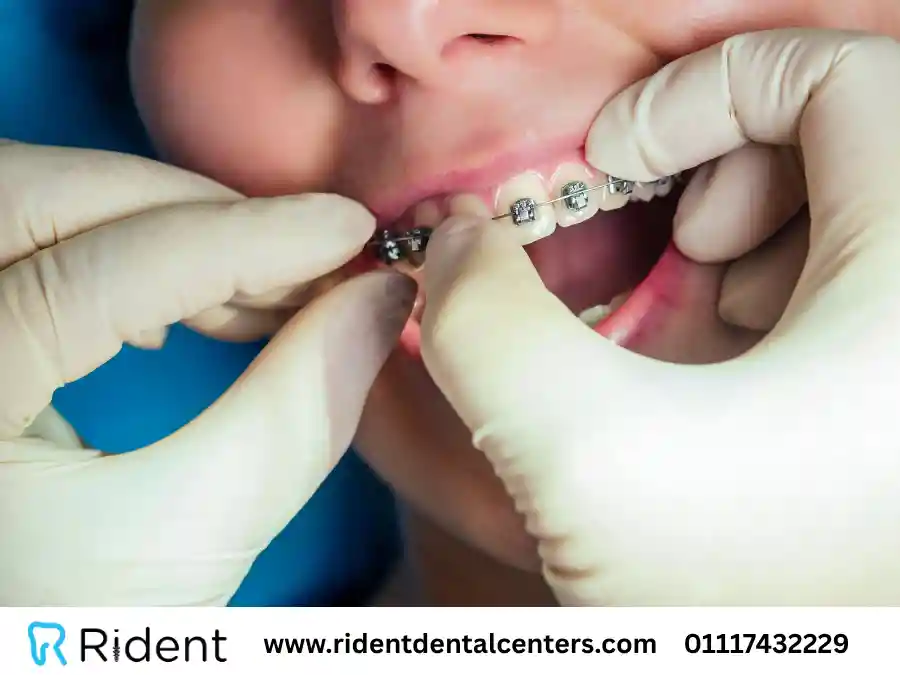
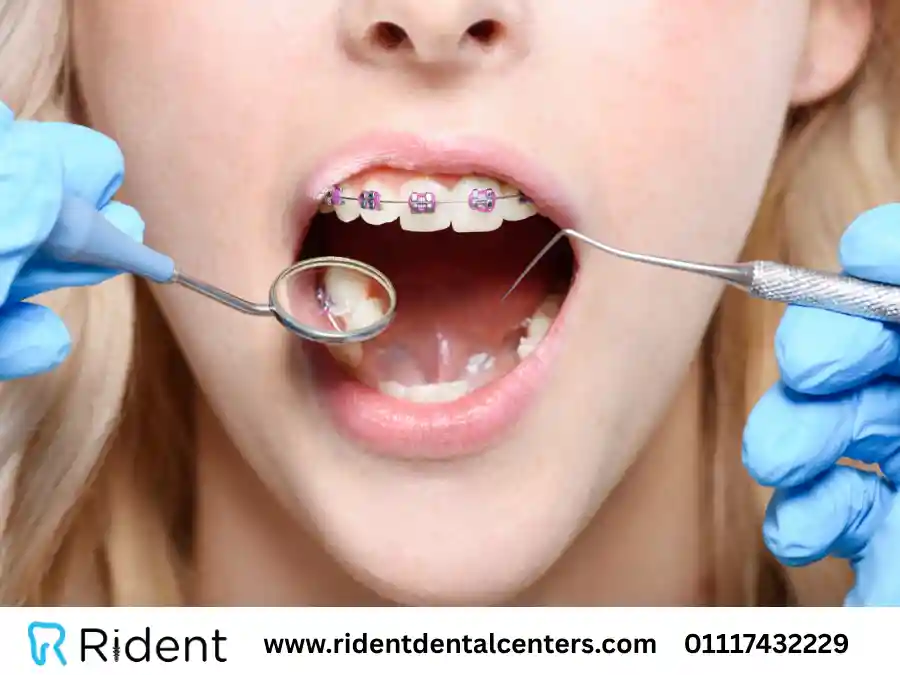
- Metal (Wire) Retainers
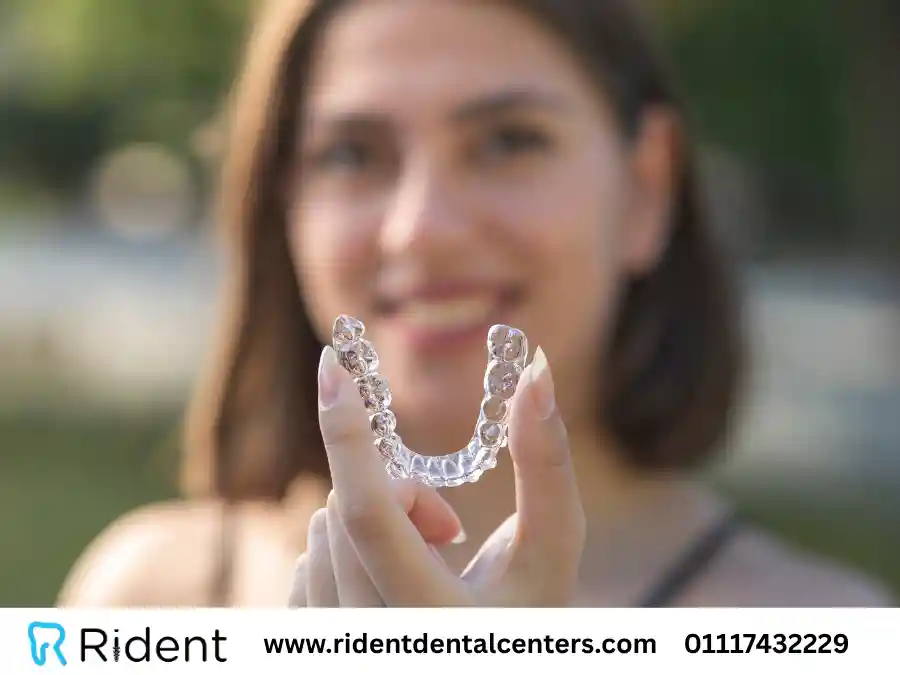
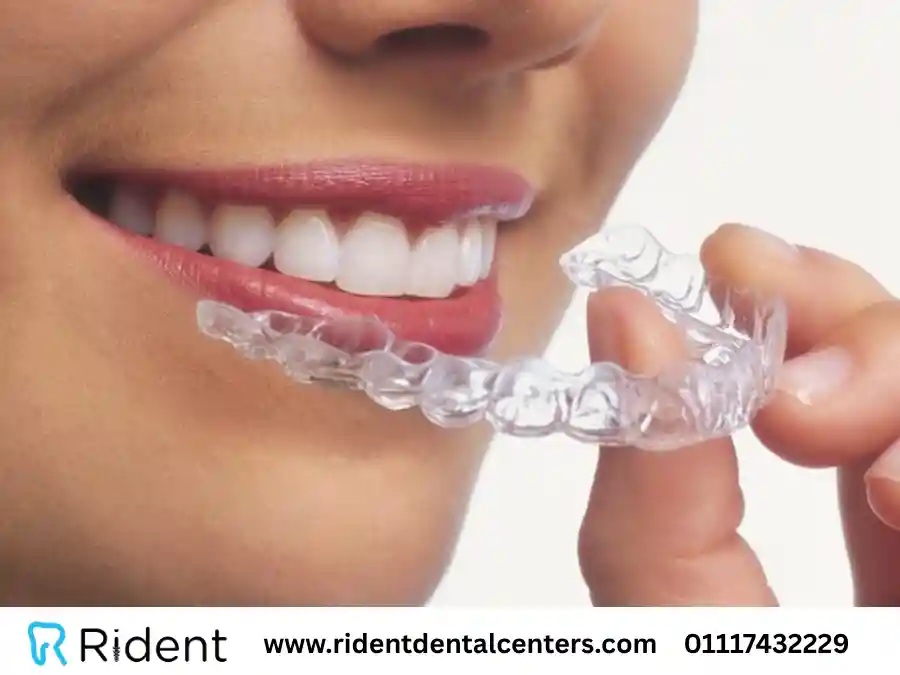
- Clear (Plastic) Retainers
The key differences between metal and clear retainers lie in:
- Ease of placement and removal
- Durability
- Aesthetic appearance
Metal retainers can be:
- Fixed (permanently bonded behind the teeth)
- Removable
Clear plastic retainers are always removable.
Advantages of Clear and Metal Retainers
Advantages of Metal Retainers:
Metal retainers are highly durable and ideal for patients with:
- Significant misalignment
- Severe crowding
- Large gaps between teeth
Other benefits include:
- Invisibility when bonded behind the teeth (fixed retainers), making them cosmetically appealing.
- Allowing normal eating and speaking without interference.
- Long lifespan — they can be worn for 5 to 10 years.
Advantages of Clear Retainers:
Clear retainers are also widely used, especially for simpler orthodontic cases. Benefits include:
- Easy to wear and remove without visiting the dentist.
- Better oral hygiene can be maintained through brushing, flossing, and rinsing.
- Suitable for those with minor alignment issues, where teeth are unlikely to relapse, so retainers are worn only part of the day.
Disadvantages of Clear and Metal Retainers
Disadvantages of Metal Retainers:
- Fixed metal retainers can make cleaning difficult, possibly leading to plaque or tartar buildup and affecting oral health.
- It may be slightly visible, which could affect smile aesthetics.
Removable metal retainers:
- It can interfere with speech clarity.
- Must be removed before eating.
- Not ideal for patients with severe previous misalignment.
Disadvantages of Clear Retainers:
- Similar to removable metal retainers, they may:
- Causes difficulty in speech
- Require removal during meals
- Provide less contact pressure, which can feel uncomfortable for some users.
Cost Comparison: Clear vs. Metal Retainers
The cost of a retainer after braces varies depending on the material.
In general, clear plastic retainers are more expensive than metal retainers.
The final decision should be based on the dentist’s recommendation and the patient’s needs and budget.
How Long Should Retainers Be Worn After Braces?
The duration depends on the type of retainer:
- Fixed (metal) retainers can stay in place for many years.
- Removable retainers are often recommended for 12 months or more, with adjustments made based on progress.
Can a Permanent Retainer Replace a Removable One?
Not completely. Each has unique functions and benefits.
- Permanent retainers offer continuous support and eliminate the worry of forgetting to wear them.
- Removable retainers offer patients flexibility and make oral hygiene easier.
Conclusion: It’s best to follow your orthodontist’s guidance to determine the right type — in some cases, a combination of both may be recommended