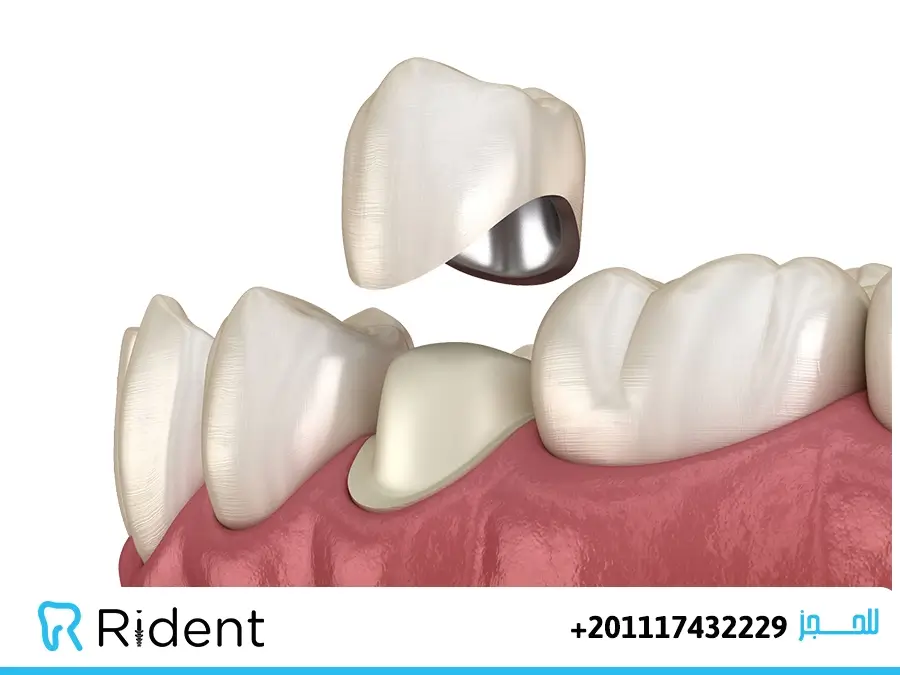
Dental Crowns: Everything You Need to Know
Dental crowns, also known as "caps," are one of the most effective treatments for repairing cracked molars and protecting them from fractures after root canal treatments (nerve treatment). They also play a significant role in unifying the color of teeth. In this article, we will explore everything about dental crowns, including their types, reasons for their use, and more.
What is a Dental Crown?
A dental crown, or cap, is a cover designed specifically for the size and shape of the affected tooth, either to protect it or replace it. Crowns are made from various materials like metals, porcelain, resin, or ceramics, such as zirconia. The dentist chooses the most suitable material based on the location of the tooth, its function, and the natural color of the teeth.
Types of Dental Crowns
Dental crowns are made from different materials. These include:
- Metals: Such as gold, silver, palladium, nickel, and chromium.
- Porcelain.
- A Combination of Materials: For example, porcelain fused with metal.
- Resin.
- Ceramics: The most popular type is zirconia (also known as "Zircon crown").
The dentist selects the appropriate crown material based on several factors, including:
- The location of the tooth.
- The tooth’s function.
- The original color of the teeth.
Let's now take a closer look at Zirconia Crowns.
Zirconia Crowns: Overview and Popular Types
Zirconia crowns are made from tetragonal zirconium oxide or "zirconia." There are two types of zirconia:
- Solid Zirconia: Used for covering teeth that have undergone root canal treatment due to its durability and strength.
- Transparent Zirconia: Used to cover front teeth for a more natural appearance.
Difference Between Zirconia and Porcelain Crowns
Zirconia crowns have a few advantages over porcelain crowns:
- Durability: Zirconia crowns last longer than porcelain due to their strength.
- Smoothness: Zirconia crowns are smoother, which helps prevent wear and tear on surrounding teeth.
- Similarity: Both zirconia and porcelain provide a natural look, closely resembling the appearance of natural teeth.
Preparing for a Dental Crown Procedure
Placing a dental crown requires multiple visits to the dentist, as detailed below:
First Visit:
- The dentist examines your teeth and takes X-rays of the jawbone and teeth.
- If necessary, root canal treatment is performed before placing the crown to treat deep decay or infection.
- The dentist will take impressions of your teeth, either by using a mold or a digital scanner, to create a custom crown in the laboratory.
Second Visit:
The crown is placed and adjusted for the perfect fit. The dentist will check its color and shape to match your natural teeth.
Tips for Maintaining Your Dental Crown
To ensure your dental crown lasts for a long time, avoid the following bad habits:
- Biting your nails.
- Teeth grinding (bruxism).
- Using your teeth to open packages.
Additionally, follow these tips:
- Brush your teeth regularly with a fluoride toothpaste.
- Use dental floss to remove food particles from between your teeth.
What is the Lifespan of a Dental Crown?
Dental crowns typically last between 5 to 15 years, depending on the material used and how well they are maintained. Crowns made from stronger materials like zirconia tend to last longer.
- Cost of Dental Crowns
- The cost of a dental crown varies based on several factors:
- The material of the crown.
- The number of crowns you need.
- The cost of any treatments required before placing the crown, such as root canal therapy.
- The experience and credentials of the dentist.
- Coverage is provided by insurance companies.
It's important to note that only the dentist can determine the most suitable crown type for your specific case.
If you need advice on choosing the right dental crown for you or have any questions about the procedure, feel free to consult with the dental team at Rident Dental by contacting us at the phone numbers listed on our website.
This article provides a complete overview of dental crowns, how they work, and what to expect. If you're considering dental crowns, it’s best to consult a dentist to make an informed decision based on your specific dental needs