Painless Dental Implants and 4 Cases That Require Tooth Replacement
Maintaining healthy and beautiful teeth is important for everyone. However, some people may face dental issues that require medical intervention, such as installing dental implants to replace missing or damaged teeth. Dental restoration can be the ideal solution to restore both the function and the natural appearance of the mouth. In this article, we’ll explore the various situations that require dental replacements, discuss whether this option is suitable for each case, and introduce the different types of dental implants available to help you make the best decision for your oral health and aesthetics.
What Does Dental Implantation Mean?
Dental implantation refers to obtaining new replacement teeth instead of those that have been lost. Tooth loss can happen for many reasons and may be either complete or partial, meaning the entire tooth, including its root, is lost, or just the crown. One may lose one tooth or multiple teeth, but in any case, dental implants are an important solution to restore the lost teeth.
When Do You Need Dental Implants?
The goal of dental implantation is to provide a replacement that is both functional and aesthetic. Implants are usually needed in the following situations:
- Loss of one or more teeth due to aging.
- Tooth loss caused by injury, accident, or trauma.
- Missing teeth can affect speech or chewing.
- Severe infections that lead to tooth loss require replacement.
Fixed Dental Implants
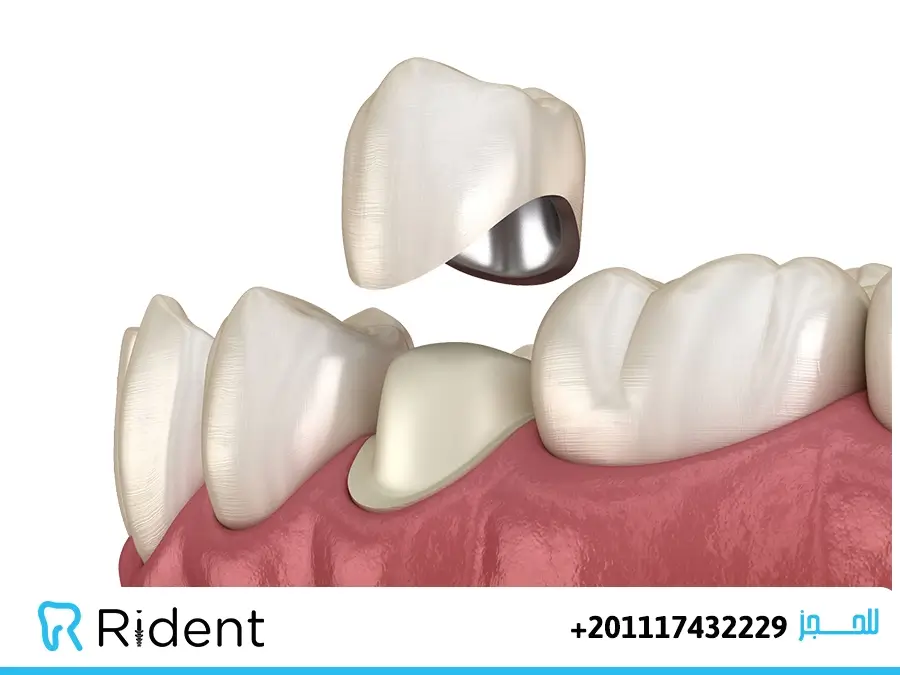
Fixed implants are most commonly done through dental implant surgery, where a titanium post is implanted in place of the lost root, and a porcelain crown is placed on top. This multi-stage procedure usually takes a few months to complete (unless it’s an immediate implant) and varies in duration depending on the patient’s case.
Cosmetic Dental Implants
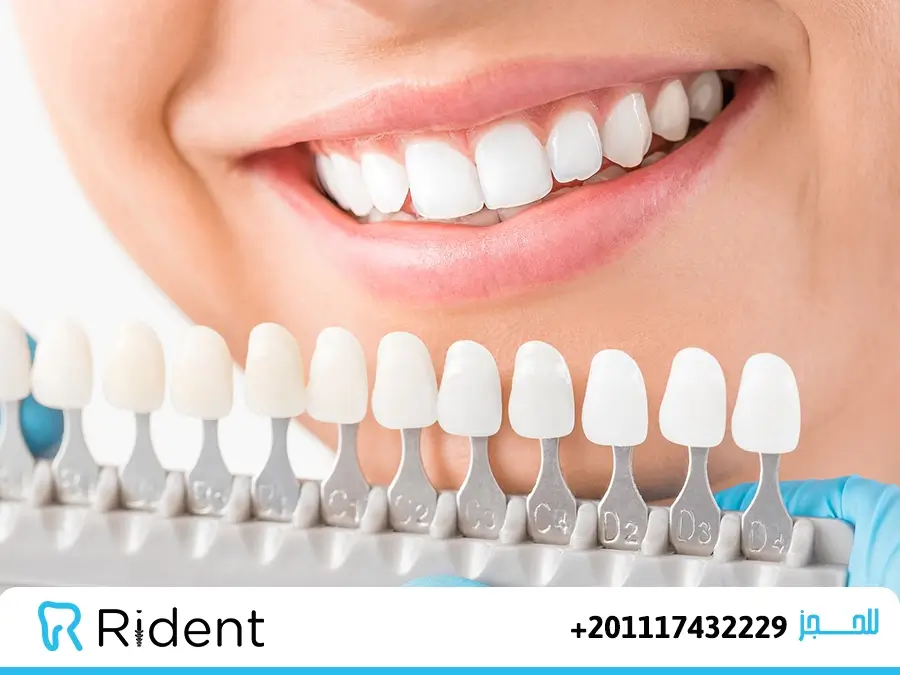
Cosmetic crowns are among the most common solutions. These are caps that mimic the shape and color of natural teeth, used to replace missing crowns over either a natural root or an implant post. Veneers, on the other hand, are thin cosmetic shells placed on existing teeth to fix aesthetic issues like discoloration, chips, or misalignment. However, veneers are not considered dental implants in the strict sense because the original tooth remains in place.
Conditions for Getting Dental Implants
Before proceeding with dental implantation, certain conditions should be met to ensure safety and effectiveness:
- Sufficient jawbone density to support the implant (or undergoing bone grafting surgery if needed).
- Healthy gum tissue.
- No severe or chronic infections that could interfere with the procedure.
- Willingness and ability to follow through with the full treatment plan.
Benefits of Dental Implants
Replacing lost teeth with implants offers many important benefits, including:
- Improved chewing ability.
- Protection of the digestive system by allowing proper chewing.
- Enhanced aesthetic smile, especially for front teeth.
- Better pronunciation and speech clarity.
- Boosted self-confidence and improved mental well-being.
Painless Dental Implants
Many people wonder if dental implants can be done without pain. At Rident Dental Centers, all implant procedures—whether surgery or crown installation—are performed under local anesthesia, so you won’t feel pain during the process. Some post-op discomfort might occur after the anesthesia wears off, ranging from mild to moderate, and is typically managed with prescribed painkillers. The discomfort usually fades within a few days.
Are Dental Implants Permanent?
That depends on the type of implant used. Fixed implants are designed to be long-lasting or even permanent. Their longevity depends on proper maintenance, following your dentist’s care instructions, and the experience and skill of the professional performing the procedure.
Important Tips After Getting Dental Implants
Getting new implants is a rewarding moment, and preserving the results is crucial. Here are some tips:
- Don’t attempt to remove or tamper with the implants on your own.
- For several days post-procedure, avoid sweets, hard foods, and ice-cold treats.
- Quit smoking, as it is extremely harmful to oral health.
- Maintain excellent oral hygiene.
- Contact your dentist if you experience any unusual symptoms.
With that, we conclude our article on dental implants. We hope you found it useful and informative. If you have further questions or wish to book a consultation or exam, don’t hesitate to contact us. We are here to help you achieve and maintain healthy, beautiful teeth