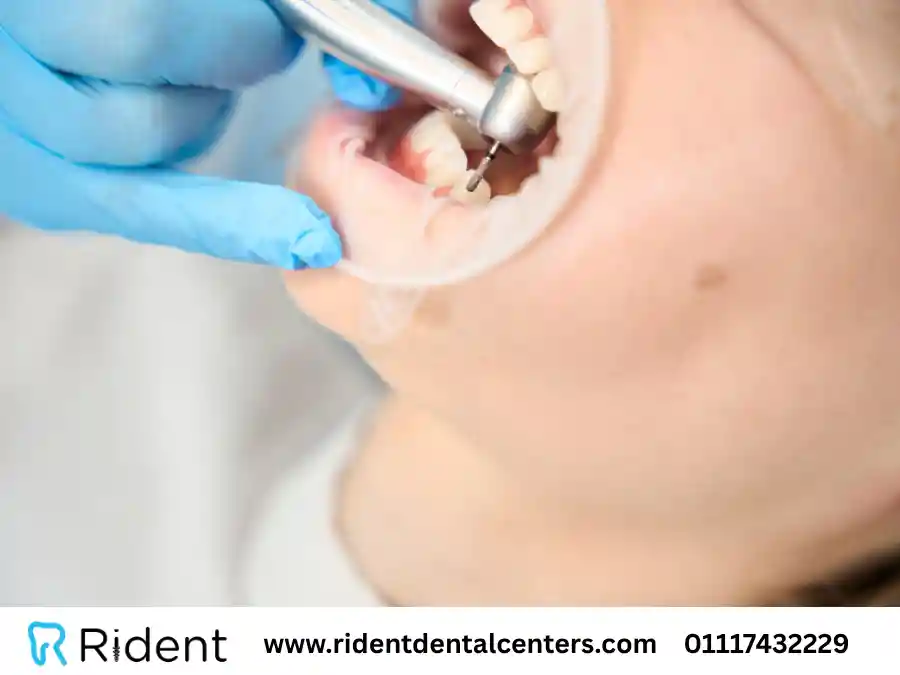
Types of Dental Fillings
Dental fillings are an effective and essential solution for treating a variety of dental issues, whether caused by advanced tooth decay, fractures from accidents, or weakened tooth structure. Fillings help keep teeth healthy and protected, prevent pain, and improve the patient's quality of life and ability to function comfortably and confidently in daily activities.
In this article, we will explore the different types of dental fillings and outline the available options in collaboration with the dentist. The dentist will determine the appropriate type of filling based on clinical judgment, then involve the patient in the final decision-making process, taking into account factors such as cost and individual needs. Ultimately, following the dentist’s recommendations is crucial to ensure effective and long-lasting results in dental filling treatments.
What is a Dental Filling?
A dental filling is a material used to fill a cavity or space created due to decay or fracture. The main goal of a filling is to stop tooth decay, enhance the tooth’s resistance to pressure during chewing, and restore the natural shape of the tooth.
When choosing the right filling type from among the various options, aesthetic appearance—especially for front teeth—must be considered. Some filling materials closely match the natural tooth color, enhancing the look and vitality of the teeth.
What Are the Types of Dental Fillings?
Dental fillings vary based on the material used. Here are the most common types, with their advantages and disadvantages:
1. Amalgam Filling
Recognizable by its gray color, amalgam is mainly used in posterior (back) teeth. It consists of:
- 50% mercury
- 50% mix of silver, tin, zinc, and copper
Advantages:
- Long lifespan: lasts over 10 years.
- Strong and durable; can withstand heavy chewing forces
- Can be done in a single visit
- Less sensitive to moisture during placement
Disadvantages:
- Gray color differs from natural teeth, affecting aesthetics
- Requires removal of some healthy tooth structure
- Contains mercury, which is unsuitable for patients with mercury allergies
2. Composite (White) Filling
Made from a mixture of plastic and fine glass, this is primarily used for front teeth and comes in two types:
- Direct: Hardened using a blue curing light
- Indirect: Made from a mold of the tooth and installed in a follow-up visit
Advantages:
- Matches the natural tooth color
- Functional for at least 5 years
- Requires less removal of healthy tooth structure than amalgam
Disadvantages:
- Less durable than amalgam
- More expensive than amalgam
- Indirect fillings require two appointments
3. Gold Filling
Made from a mixture of gold and other metals, usually used for crowns.
Advantages:
- Aesthetically preferred by some due to its golden color
- Extremely durable and resistant to wear
- Can last over 15 years
Disadvantages:
- Does not match natural tooth color
- Very costly—6–10 times more than amalgam
4. Ceramic Filling
Made from porcelain, used for fillings, crowns, implants, and veneers (e.g., Hollywood Smile).
Advantages:
- Aesthetic match to tooth color
- Stain-resistant
- Can last over 7 years
Disadvantages:
- Among the most expensive types
- Less durable unless made thicker, which may require reducing the natural tooth structure
5. Glass Ionomer Filling
Made from acrylic and glass reinforced with fluoride, often used in front teeth and children’s teeth.
Advantages:
- Tooth-colored
- Fluoride-releasing, helping to prevent further decay
Disadvantages:
Least durable among filling types
Types Based on Procedure
Fillings are also categorized by the treatment approach:
1. Regular Filling
Used for cavities or cracks due to decay or trauma. The dentist removes decay, cleans the area, and fills it. A crown may be added during the same or a later visit to protect the tooth.
2. Root Canal Filling
Commonly feared due to a misconception, root canal treatment is done under anesthesia. It involves:
- Removing infected pulp and nerve
- Cleaning and disinfecting the root canals
- Filling the root space with rubber material
- Later, placing a crown or outer filling
Tooth Pain After Filling – Complications
All fillings aim to relieve pain and preserve the remaining healthy tooth. While the procedure is simple, some patients may experience post-filling pain due to sensitivity or micro-cracks. If pain persists, follow up with your dentist promptly.
What Is the Best Type of Dental Filling?
This depends on many factors. Each material has its pros and cons. The best choice varies from case to case based on:
- Tooth location
- Degree of damage or decay
- Aesthetic goals
- Cost considerations
The final decision should be made after a detailed discussion with your dentist.
Frequently Asked Questions
Q: What is the best type of dental filling?
A: Each type has unique benefits. Amalgam is durable, while composite is more aesthetic. The best choice depends on individual needs and the dentist’s recommendation.
Q: What is the difference between a regular filling and a root canal filling?
A: Regular fillings treat minor surface decay, while root canal fillings treat infections in the tooth pulp and roots.
Q: What are the types of root canal fillings?
A: They include amalgam, composite, ceramic, gold, and more.
Q: How can I prevent tooth decay?:
- Brush teeth 2–3 times daily, especially before bed
- Reduce sugar and carbs, especially at night
- Eat balanced meals with fruits and vegetables
- Use dental floss daily
- Visit your dentist regularly for checkups
Q: What's the difference between white and platinum fillings?
A: White fillings match tooth color and are made of composite resin. Platinum (amalgam) fillings are gray and typically used in back teeth, though less common nowadays.
Q: How many visits are needed for a filling?
- Regular filling: Usually one visit, occasionally two
- Root canal: Often two visits; complex cases may require three