Front Teeth Restoration in Just 4 Steps
In the world of aesthetics and healthcare, a radiant smile plays a crucial role in forming first impressions and shaping an individual’s overall appearance. Among the most prominent elements of a smile are the front teeth, which greatly influence a person’s beauty and self-confidence. Therefore, restoring front teeth is an essential step for many individuals looking to improve the appearance of their smile and regain their confidence.
In this article, we will explore key aspects of front teeth restoration, including its importance, available treatment options, and the modern techniques used to achieve optimal results.
If you're looking for comprehensive information on this topic, we invite you to stay with us and discover more about restoring front teeth and maintaining a healthy, radiant smile.
What Does “Teeth Restoration” Mean?
The meaning of "teeth restoration" varies from person to person. Some may refer to it as dental implants, which are a permanent solution for missing teeth that mimic natural teeth. Others may mean the placement of dental prosthetics, such as crowns or veneers.
In this article, we’ll refer broadly to front teeth restoration and the various methods used to achieve it.
The Importance of Restoring Front Teeth
Dentists often describe front teeth as the "mirror of the person" — the first feature noticed when smiling, speaking, or being photographed. Aesthetically, their importance is clear. Functionally, front teeth are essential for cutting and chewing food, and they also play a key role in proper speech articulation.
For these reasons, losing one or more front teeth can be a major concern requiring prompt intervention.
Methods for Restoring Front Teeth
There are several techniques and procedures for restoring front teeth. The most suitable option depends on the patient’s specific case and is determined after a dental evaluation. The most common methods include:
- Front Dental Implants: This involves replacing a missing tooth with a permanent implant, including both the root and the crown. This is one of the best and most durable methods for front teeth restoration.
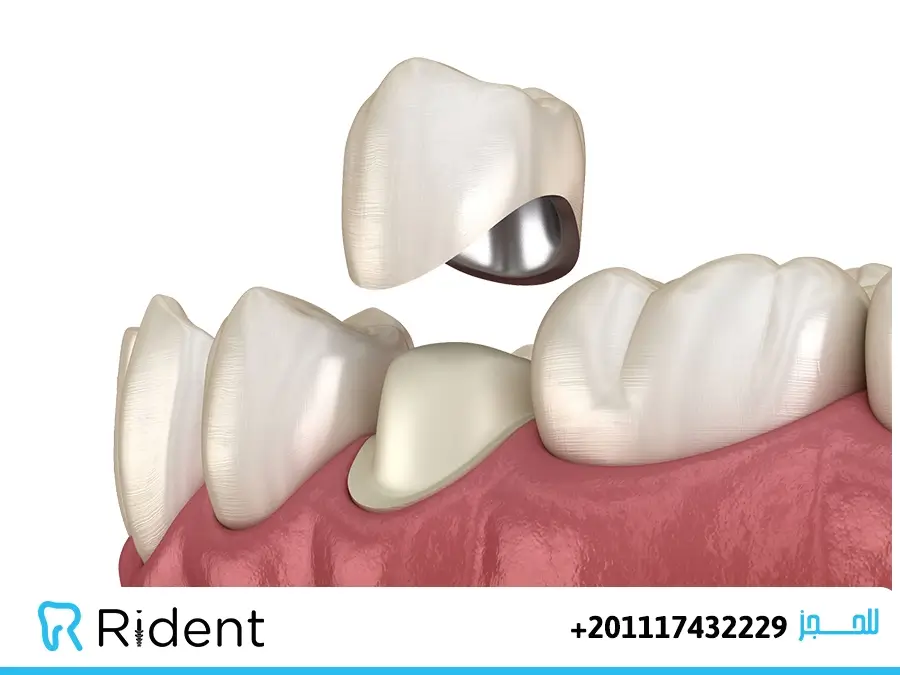
- Dental Crowns: If only the visible part of the tooth is damaged, a crown can be placed over the existing root to restore appearance and function.
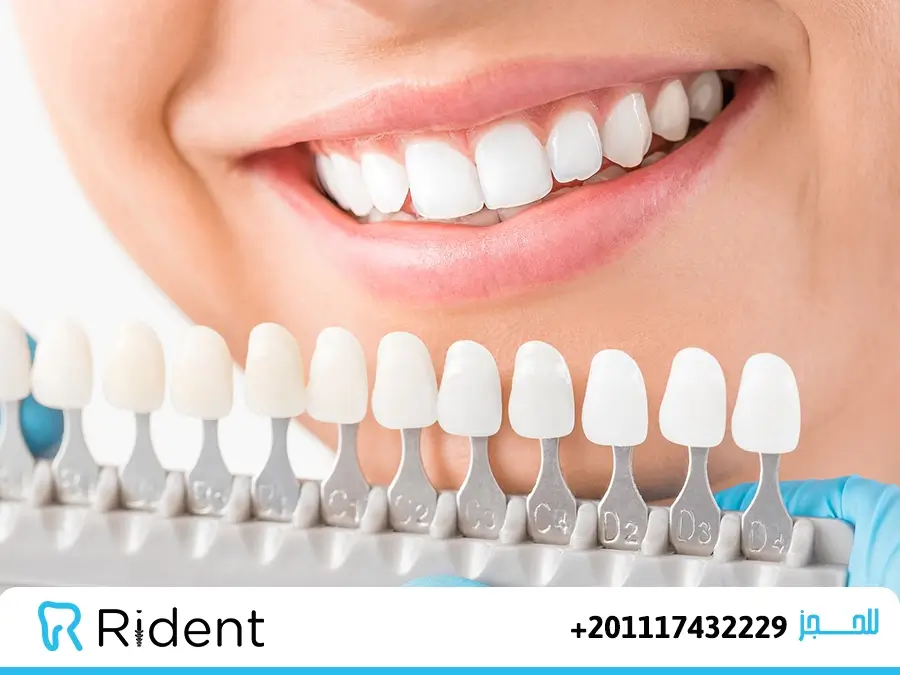
- Veneers for Front Teeth: Veneers are commonly used to treat chipped, cracked, or discolored front teeth. Though not a full replacement, they significantly improve aesthetics — this is the secret behind the famous "Hollywood Smile."
Who Is a Good Candidate for Front Teeth Restoration?
To qualify for front teeth restoration, candidates should meet the following conditions:
- Healthy oral tissues and gums, with no chronic or severe inflammation.
- Sufficient bone density in the jaw to support implants, or readiness for a bone graft procedure if needed.
- Adjacent teeth must be healthy and free from infection to avoid complications.
Steps for Front Teeth Restoration
While steps vary depending on the type of restoration, here’s a general overview for implant-based front teeth restoration:
- After anesthesia, the dentist thoroughly cleans the area and inserts a titanium implant into the jawbone (upper or lower).
- The implant is left for a specific healing period to allow it to integrate with the jawbone.
- On a follow-up visit, an abutment is attached to connect the implant to the crown.
- If the crown is ready, it is placed immediately; otherwise, it is installed at a later visit.
- For crown placement over an existing root, the dentist takes an impression and fabricates the crown, which is then cemented over the tooth or abutment.
- For veneers, the process is different and covered in detail in our dedicated article.
How Long Does Front Teeth Restoration Take?
Healing time varies by location:
- Lower jaw implants typically require 3 to 5 months.
- Upper jaw implants may take an additional month on average.
Cases requiring bone grafting or additional procedures may take longer.
Recovery After Front Teeth Restoration
Post-procedure care is vital for successful healing and longevity of the restoration. Key tips include:
- Take pain relievers as prescribed or over-the-counter.
- Complete the full course of antibiotics if prescribed.
- Avoid chewing hard foods on the restored teeth.
- Limit cold foods and sugary items to reduce sensitivity.
- Maintain oral hygiene with brushing, flossing, and regular rinsing.
- Avoid using your front teeth to open packages or apply force.
Benefits of Restoring Front Teeth
Restoring front teeth offers several advantages, including:
- Enhanced aesthetic appeal and a bright smile.
- Boosted self-confidence and improved psychological well-being.
- Better speech clarity and articulation.
- Improved chewing function.
- Preventing shifting or damage to surrounding teeth caused by gaps.
Potential Risks and Drawbacks
As with any medical procedure, there are some risks, such as infection or bleeding. However, risks are minimized if the patient is a suitable candidate and chooses a skilled dental professional.
Other complications may include implant failure, sinus perforation (especially with upper jaw bone grafts), or poor results due to procedural errors.
To avoid such risks, it's important to choose a trusted dental center with a strong reputation for excellence.
We’ve now reached the end of our article on front teeth restoration. We’ve discussed the available treatment options, benefits, and step-by-step procedures, along with potential risks.
If you have any further questions or would like to book a consultation, our professional team is ready to assist you with care and dedication.
Thank you for trusting us — don’t hesitate to visit our website for more insights and dental care tips to improve your oral health and overall quality of life.