Zirconia Crowns for Front Teeth
Front teeth, or incisors, play a key role in creating an attractive smile due to their high visibility. When these teeth are damaged or broken for any reason, zirconia crowns often become the ideal solution to restore their appearance and function.
So, when does a person need zirconia crowns for front teeth? What are the advantages of zirconia crowns? Are there any drawbacks? And how do zirconia crowns compare to other dental crown materials? This article answers all these questions and more.
What is Zirconia in Dentistry?
Zirconia is a type of ceramic material used in the fabrication of dental restorations. It is considered one of the most advanced technologies in modern dentistry. Zirconia stands out for its exceptional strength and durability, making it a preferred choice for dental crowns, especially in high-pressure areas like the molars.
In addition to its strength, zirconia offers a natural appearance with translucency similar to that of natural teeth. This makes it a popular choice for creating aesthetic and long-lasting dental restorations. Its advanced properties make it one of the most reliable options available today.
Why Choose Zirconia Crowns for Front Teeth?
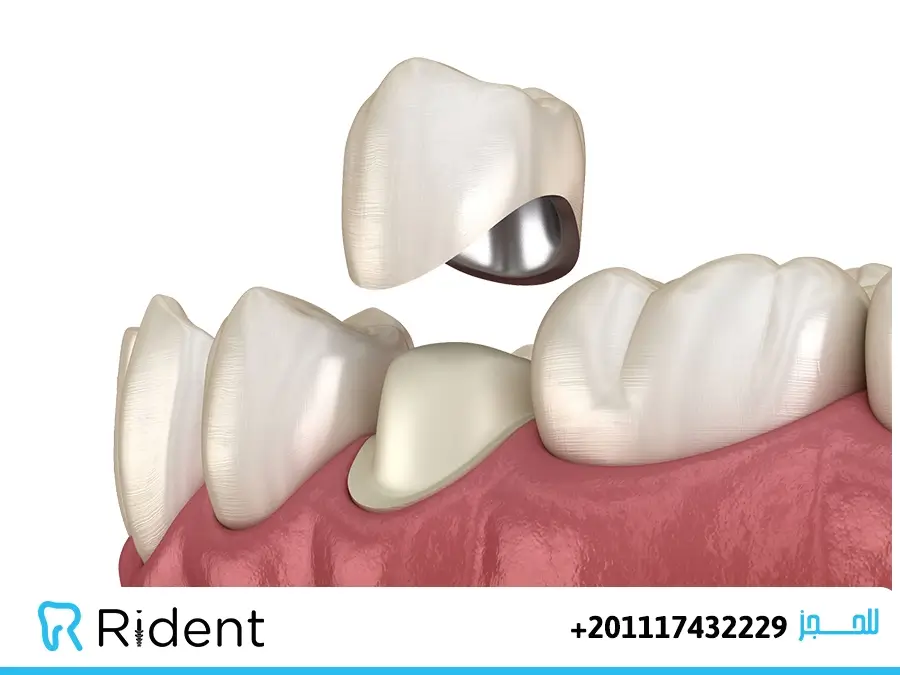
Zirconia crowns are made from zirconium dioxide, a white powder used to create the core structure of the crown. There are different types of zirconia crowns, including:
- Full Zirconia Crowns: Made entirely of zirconium dioxide, these are the most durable and resistant to wear.
- Zirconia with Porcelain Overlay: These crowns have a zirconia base with an outer layer of ceramic or porcelain, making them more prone to chipping or cracking than full zirconia.
Pros and Cons of Zirconia Crowns
Zirconia crowns are often used for cosmetic enhancement and to correct aesthetic imperfections such as discoloration, uneven sizing, or gaps between teeth. Like all treatments, they come with both benefits and potential drawbacks:
Advantages of Zirconia Crowns:
- High strength and durability: Comparable to metal crowns, zirconia is highly resistant to wear, fractures, and external forces, providing long-lasting results.
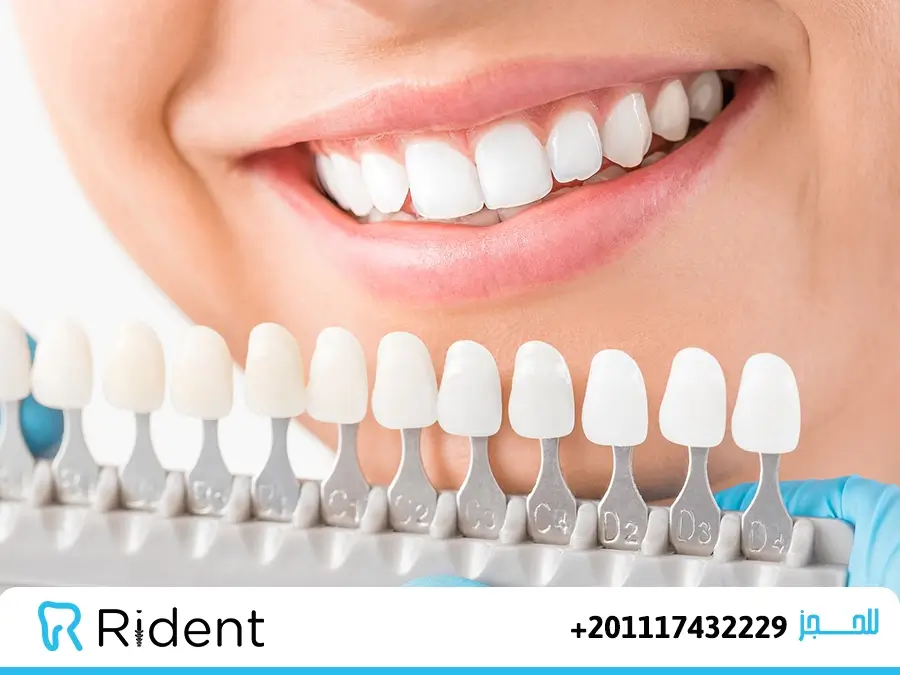
- Natural white color: Zirconia mimics the natural tooth shade and resists staining, combining the strength of metal with the beauty of white, natural-looking enamel.
Disadvantages of Zirconia Crowns:
Gum irritation: The crown can press against the gums, leading to inflammation after placement.
- Wear on adjacent teeth: Due to its hardness, zirconia may cause gradual wear of neighboring tooth enamel.
- Tooth decay risk: Food particles may become trapped beneath or between the crown, creating a suitable environment for bacterial growth and tooth decay.
For this reason, routine follow-up with your dentist is strongly recommended after crown placement to address any emerging complications promptly.
How Are Zirconia Crowns Installed?
The process of placing a zirconia crown on front teeth involves the following steps:
- Tooth preparation: The front teeth are reshaped or reduced under local anesthesia to accommodate the crown.
- Taking impressions: This is done using a clay-like material (alginate) or digital 3D scanning for precision.
- Lab fabrication: The crown is custom-designed in a dental lab based on the patient's specific measurements.
- Crown placement: Once ready, the zirconia crown is fixed onto the prepared tooth to complete the smile
What is the Cost of Zirconia Crowns for Front Teeth?
Zirconia crowns fall into the mid-range category in terms of cost. They are generally more expensive than porcelain crowns but less costly than dental implants. The overall cost can vary based on:
- The diagnostic tests are required before treatment.
- The quality of zirconia used in the crown.
- The reputation and technology level of the dental clinic.
- The experience of the supervising dentist.
If you're interested in balancing the potential benefits, drawbacks, and pricing of zirconia crowns, you can contact Rident Dental Center using the numbers listed on our website to speak with a dental specialist.
Frequently Asked Questions
Does the color of zirconia crowns change over time?
No, zirconia crowns retain their color and are highly resistant to staining and discoloration. With proper oral hygiene, they maintain their bright white appearance for years